
Employee rewards for healthcare organizations work best when they combine personalized appreciation with a consistent milestone structure. Effective programs can include onboarding recognition, service anniversaries, healthcare-specific moments, team achievements, employee-choice rewards, and meaningful messages delivered through channels that work for clinical, frontline, deskless, and administrative employees.
The most effective recognition programs use milestone tiers to create consistency, then personalize the experience through reward choice, message, timing, delivery method, and the employee’s actual role and preferences.
Milestone tiers could look like:
In this guide to employee rewards for healthcare organizations, you’ll gain a deeper understanding of what healthcare employee rewards are, why generic awards fall short, and how to personalize rewards for your staff, including how to reward frontline and deskless healthcare employees.
You’ll also learn how automation keeps personalized service awards manageable, as well as how to measure whether healthcare rewards feel personal. Finally, you’ll walk away with a practical plan to launch healthcare employee rewards at your organization.
What are employee rewards for healthcare organizations?
Employee rewards are tangible, experiential, choice-based, or non-monetary ways healthcare organizations acknowledge employees for their contributions, commitment, and achievements. They can recognize everything from years of service and exceptional patient care to teamwork, professional growth, or meaningful personal and professional milestones.
Healthcare organizations can use rewards across the employee experience. For example, they might welcome new hires with an onboarding gift, celebrate nurses or other healthcare professionals during recognition weeks, reward a team for reaching an important goal, acknowledge an employee earning a new certification, or recognize a major service anniversary. Rewards can also reinforce wellness initiatives, mark personal milestones, or add value to everyday moments of recognition.
While recognition, rewards, and compensation often work together, they serve different purposes. Recognition communicates what an employee did well and why their contribution matters. Rewards add tangible or experiential value to that acknowledgment, such as merchandise, gift cards, experiences, points, or other employee-selected options. Compensation, meanwhile, covers wages, bonuses, benefits, and other terms of employment.
A strong healthcare employee rewards program uses the above elements intentionally. A thoughtful reward can make recognition more memorable, but it should complement—not substitute for—the fundamentals of a positive healthcare workplace. Fair compensation, adequate staffing, safe working conditions, opportunities for professional development, and effective management remain essential to the employee experience.
Why generic healthcare service awards fall short
Traditional healthcare service awards often take a one-size-fits-all approach: the same plaque, branded item, or gift for everyone. But a reward that works for one healthcare employee may not fit another’s interests, life stage, culture, or role.
Practical barriers exist, too. Clinicians and other deskless employees may have limited time or access to redeem rewards, so programs must work across different locations, shifts, and roles. Rewards that are difficult to deliver can also arrive late, weakening the connection between the milestone and the recognition.
Traditional tenure milestones, like five-year anniversaries, can miss earlier contributions and employees with shorter tenures. And a generic “congratulations” may recognize years served but falls short of acknowledging the care, teamwork, or impact behind them.
How to personalize healthcare employee rewards
Personalization should be built into your program, offering choice, accessible rewards, timely delivery, flexible milestones, and meaningful messages that make recognition feel personal while still working at scale.
Here are five ways to get personalization right:
1. Personalize the milestone tier
Recognition doesn’t need to wait for a five- or 10-year anniversary. Healthcare organizations can celebrate smaller, meaningful moments earlier in the employee journey, while reserving more distinctive recognition for major milestones. The right cadence will depend on the organization’s workforce, budget, employee lifecycle, and policies. And personalization doesn’t mean every year needs a progressively more expensive reward. Sometimes the message or experience itself will create the most meaning.
2. Personalize the reward choice
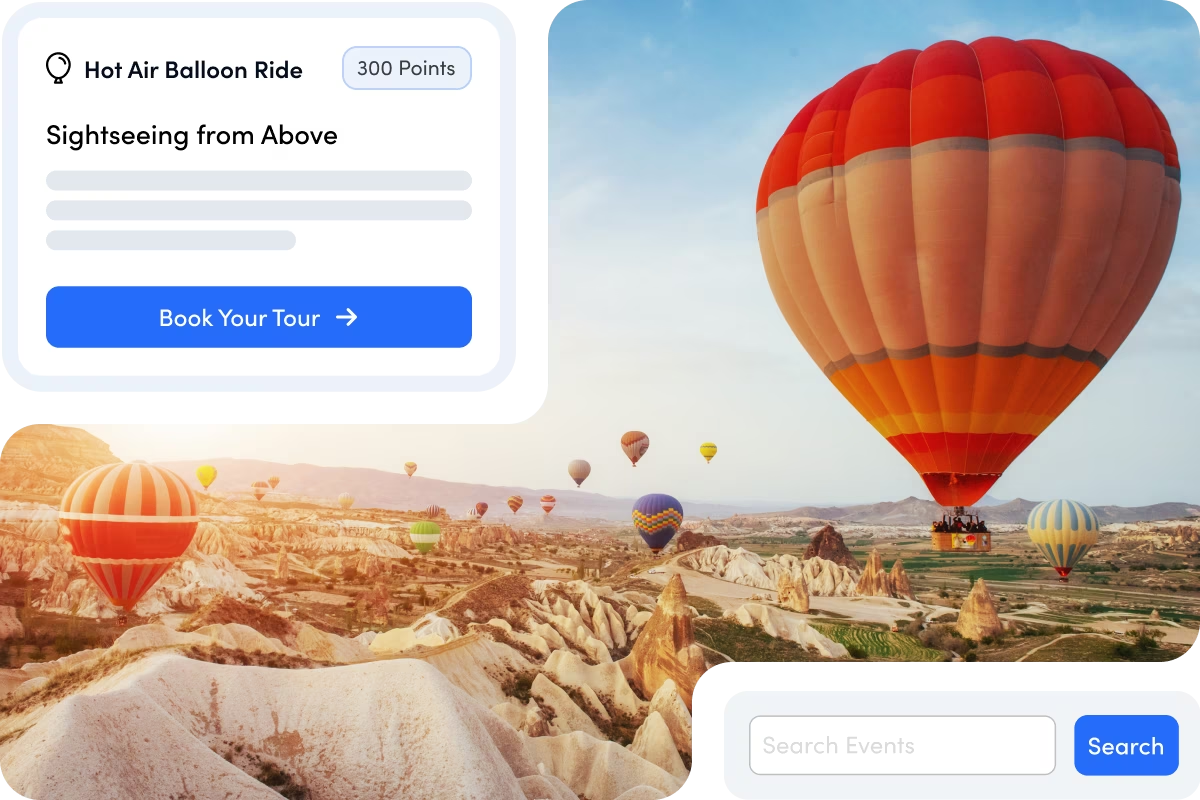
Instead of asking HR teams to predict the perfect gift, give employees relevant options to choose from. Depending on the program, that could include gift cards, ecommerce products, experiences, wellness rewards, charitable giving, company merchandise, or learning opportunities.
Organizations can also create custom catalogs tailored to a healthcare system, location, role, holiday, or milestone. Before launching, verify reward availability, merchants, currencies, fulfillment, and tax requirements across participating countries and locations.
3. Personalize the message and recognition context
A meaningful service award should recognize more than time served. Be sure to highlight the employee’s care, judgment, teamwork, growth, or impact, as well. You can also invite managers, peers, or leaders to contribute, when appropriate.
As for context, give employees options for public or private recognition based on their preferences and the occasion. In healthcare settings, recognition should also protect patient and employee privacy and avoid unnecessary patient-identifying information.
4. Personalize delivery and access
Make sure rewards are accessible to employees wherever and however they work, including nurses, clinicians, caregivers, technicians, environmental services teams, patient access staff, and home-health workers. Depending on the workforce, that might mean supporting mobile experiences, physical cards, QR codes, printed materials, shift huddles, digital displays, or manager-led delivery.
You’ll want to review access for part-time, contingent, temporary, night-shift, field, and non-badge employees, too. Being listed in an HRIS doesn’t always mean an employee can easily participate in the program.
5. Personalize the celebration
Not everyone wants to be celebrated in the same way. Give employees a say in whether their milestone is recognized publicly, privately, with their team, or primarily through a reward experience. For significant milestones, MemoryBooks or other keepsakes can bring together stories and messages from colleagues.
When appropriate, connect the celebration to the employee’s journey, team, community, or organizational mission without making unsupported claims about patient or clinical outcomes.
How to create milestone tiers for healthcare employees
Effective milestone tiers create a consistent framework for recognition while leaving room for individual choice and meaningful moments. For healthcare organizations, that means considering not just years of service, but the full employee journey: from onboarding and early-tenure achievements to professional milestones, team wins, and major anniversaries.
These seven steps can help you build a structure that scales across roles, locations, and ways of working:
- Map the employee journey. Identify onboarding, early-tenure, annual, major-tenure, professional, team, and role-specific moments.
- Define the purpose of each tier. State whether the moment is welcoming, appreciating, retaining, celebrating contribution, reinforcing values, or marking tenure.
- Set a reward architecture. Establish consistent tier logic, budget boundaries, eligible populations, approval rules, and available reward formats.
- Add employee choice. Give recipients relevant options instead of assuming one gift works for all roles or locations.
- Add human context. Build in a specific message, peer participation, manager involvement, or a keepsake where appropriate.
- Test access and fulfillment. Include shift-based, deskless, remote, field, part-time, contingent, and multilingual employees in the pilot.
- Review and refresh. Use redemption, participation, delivery, employee feedback, and manager feedback to refine the tiers.
Once you’ve established the basic structure, pressure-test it against the realities of your workforce. The goal is to make sure your milestone tiers are meaningful for employees without becoming difficult for HR teams and managers to administer.
As you build or review your program, ask:
- Can the program recognize employees before a five-year anniversary?
- Are tiers consistent enough to administer and flexible enough to feel personal?
- Can employees choose rewards that fit their interests and location?
- Can managers add a meaningful message without creating excessive administration?
- Can the program reach employees during shifts and outside a desktop workflow?
- Are peer, leader, and team contributions included where appropriate?
- Are budget, tax, payroll, privacy, and approval requirements documented?
How to reward frontline and deskless healthcare employees
For frontline and deskless healthcare employees, access is part of personalization. A reward or recognition experience isn’t truly inclusive if employees can’t easily participate because they work away from a computer, across facilities, in the field, or on nights and weekends.
Instead, design recognition around where employees actually work. Depending on the tools and workflows your organization supports, that might include AwardCodes, mobile experiences, printed or physical materials, QR-enabled options, offline recognition, or manager-led moments during shift huddles and team meetings. The goal is to make recognition accessible across units, clinics, facilities, field settings, and other healthcare environments—not simply available through a digital platform.
Keep the recognition itself specific and timely. A manager might acknowledge an employee for navigating a difficult shift handoff, a peer could thank an environmental-services employee for supporting their team, or an entire care team could celebrate a shared service milestone.
Most importantly, don’t assume that providing digital access solves the problem. Test the recognition and reward workflow with the frontline employees who will actually use it to identify barriers around access, timing, redemption, language, and delivery before scaling the program.
How automation keeps personalized service awards manageable
Personalization doesn’t have to mean more administrative work. Where configured, automation can track service dates, trigger reminders, invite peers to participate, distribute points, route approvals, and support reward delivery—helping HR teams manage recognition consistently across a large healthcare workforce.
The goal of automation is to protect the human moment, not remove it. Systems can handle predictable, repeatable steps while managers and peers focus on what makes recognition meaningful: explaining an employee’s impact, sharing a memory, or simply offering a sincere thank-you.
Automation won’t eliminate every manual task or guarantee that every reward arrives on time. But thoughtfully designed workflows can reduce administrative burden and create more space for timely, personal recognition.
How to measure whether healthcare rewards feel personal
A personalized rewards program should be measured by more than redemption rates. Healthcare organizations need a balanced view of who can participate, how employees experience recognition, and whether the program works consistently across different roles and work environments.
Consider tracking:
- Reach: Measure how many eligible employees can access, give, receive, and redeem recognition—not simply how many are enrolled in the program.
- Participation: Track participation from managers, peers, leaders, and teams, and look for differences by role, site, shift, and workforce type where appropriate.
- Milestone timeliness: Monitor the time between a milestone and the delivery of recognition to identify delays that could diminish its impact.
- Choice and redemption: Review reward selections, redemption rates, unspent balances, fulfillment issues, and returns where that data is available.
- Perceived relevance: Ask employees whether the reward, message, timing, and delivery method felt relevant and meaningful to them.
- Equity: Look for differences in access, recognition frequency, and reward availability across clinical, operational, administrative, contingent, part-time, and remote employees.
- Program health: Track budget utilization, approvals, administrative effort, support requests, and recurring issues that could make the program harder to manage or use.
- Business context: Consider engagement, retention, wellbeing, and other workforce outcomes when there is a clear baseline and appropriate methodology. These metrics can provide useful context, but they shouldn’t automatically be attributed to the rewards program alone.
Together, these measures can show not only whether employees are using the program, but whether recognition is reaching the right people in a timely, accessible, and meaningful way.
How Awardco supports personalized healthcare rewards
Once you’ve defined what meaningful recognition should look like for your workforce, the right technology can make that strategy easier to deliver at scale. Awardco provides healthcare organizations with infrastructure for managing service awards and broader recognition programs while leaving the human meaning to employees, managers, and teams.
Based on inputs such as hire and service dates, Awardco triggers service-award workflows automatically, with organizations able to configure milestone rules, timing, communications, and recipients. Programs can combine points or gifts with messages, certificates, manager communications, and other forms of recognition.
Employees can also choose from available reward options rather than receiving the same predetermined gift. Depending on program configuration and location, those options can include physical products, gift cards, experiences, charitable giving, branded merchandise, and curated catalogs, with different budgets and catalogs available for different milestones.
For healthcare organizations managing complex workforces, Awardco brings recognition programs, approvals, budgets, and employee participation into one platform. Our healthcare offering also supports budget controls, approval structures, and program rules, while our broader recognition platform includes mobile and offline approaches designed to extend recognition beyond desk-based employees.
Healthcare organizations are already using these capabilities to modernize recognition. ARUP Laboratories, for example, used Awardco to update its service awards and add peer-to-peer recognition. As a result, ARUP saw a 363% increase in recognitions and tripled program adoption.
Remember: Awardco provides the infrastructure, but technology alone doesn’t make a service award personal. The meaning still comes from recognizing the right moment, giving employees relevant choices, and connecting the recognition to their individual contribution.
Never forget a meaningful milestone. See personalized service awards in action.
A practical launch plan for healthcare employee rewards
Use this phased approach to move from understanding your workforce’s needs to building, testing, and scaling a healthcare rewards program that works in practice.
Days 1-30: Listen and design
- Map employee populations, locations, shifts, access needs, service dates, and existing reward programs.
- Ask employees and managers which rewards, messages, and delivery methods feel meaningful.
- Define milestone tiers, purpose, eligibility, budget boundaries, and approval requirements.
- Identify privacy, tax, payroll, compliance, and employee-representative review needs.
Days 31-60: Pilot and personalize
- Pilot with at least one clinical team, one operational or support team, and one deskless or shift-based population.
- Test employee choice, message prompts, access, delivery, approvals, and reporting.
- Review whether contingent, part-time, night-shift, field, and non-badge employees can participate where intended.
- Adjust reward options and communications based on employee feedback.
Days 61-90: Launch and improve
- Launch with manager guidance, employee FAQs, and a named support contact.
- Review reach, timeliness, participation, reward selection, fulfillment, and perceived relevance.
- Share what was learned with leaders and employees.
- Set a recurring review cadence for tiers, catalogs, access, and program equity.
Frequently asked questions about healthcare employee rewards
What are effective employee rewards for healthcare organizations?
Recommend a mix of personalized service awards, employee-choice rewards, milestone recognition, team celebrations, wellness or learning options, healthcare-holiday moments, and timely non-monetary appreciation. The right mix depends on employee preferences, role, location, access, budget, and program purpose. Rewards should complement fair compensation and good working conditions.
How can healthcare organizations personalize service awards?
Use milestone tiers for consistency, then personalize the message, reward choice, delivery method, visibility, peer participation, and celebration. Employee-choice catalogs, custom options, MemoryBooks, manager messages, and frontline-accessible delivery can help service awards feel more relevant without requiring HR to hand-select every gift.
What milestone tiers should healthcare employee rewards include?
A program may include onboarding, early-tenure checkpoints, one-year anniversaries, annual service anniversaries, major-tenure milestones, healthcare or role moments, and above-and-beyond contributions. The exact cadence should fit the organization’s workforce, budget, policies, employee lifecycle, and applicable tax or payroll review.
How can hospitals reward frontline and deskless employees?
Design recognition around how employees work, not around office access. Use supported mobile, offline, physical, printed, QR-enabled, shift-huddle, or manager-led methods where appropriate, and test them with clinical, facilities, environmental-services, field, and night-shift teams. Include employees who do not have regular email or desktop access.
How do you automate service awards without making them feel generic?
Automate predictable administration such as service-date tracking, reminders, peer invitations, approvals, and delivery, while preserving human input through specific messages, employee choice, peer stories, and appropriate celebration. Automation should reduce missed milestones and repetitive work; it should not replace context, sincerity, or employee preference.
What rewards do healthcare employees value most?
There is no single reward that every healthcare employee values most. Preference can vary by person, role, location, life stage, and moment. Choice-based rewards, relevant local options, experiences, wellness, charity, learning, team activities, and thoughtful messages can help organizations avoid guessing, but the program should use employee feedback and redemption data to refine its mix.
Are healthcare employee rewards taxable?
Tax treatment depends on the reward type, how it is earned, the employee’s location, and applicable law. Gift cards, points, cash-like options, merchandise, experiences, and other rewards may be treated differently. Organizations should involve Finance, Payroll, Legal, and qualified local tax professionals rather than treating a recognition program as tax advice.
Ready to see healthcare employee awards in action? Book an Awardco demo.