

Recognition is universal, but its expression and impact vary widely depending on organizational culture.
While some teams thrive on public, high-energy recognition, others value private, discreet acknowledgment. Some are motivated by individual rewards; others by words of affirmation.
The challenge for global organizations is not whether to recognize, but how to do it in ways that resonate across diverse cultures, teams, and individuals—without fragmenting values, engagement, or cohesion.
The research is clear:
- High-maturity rewards companies are “4.6X more likely to leverage recognition as a competitive differentiator.”
- When recognition feels authentic, employees are 4X more likely to feel connected to company culture.
Effective global recognition programs balance shared principles with adaptable execution. This enables teams to personalize visibility, delivery, and rewards while maintaining consistent governance.
The following framework highlights common recognition preferences by organizational culture type, alongside a configurable approach HR teams can use to create inclusive, globally relevant programs.
Tailoring recognition to how teams really work
Explore how configurable recognition works globally.
Deeper insights: Workplace cultures and recognition
How recognition practices differ across global teams
Recognition preferences aren’t defined by geography alone. They’re shaped by how teams operate.
From fast-paced environments to more reserved or technical teams, factors like visibility, hierarchy, and collaboration style all influence what feels meaningful.
Understanding these dynamics helps HR leaders design recognition programs that resonate across diverse teams—without losing consistency.
Explore how to adapt recognition across cultures.
Designing a relevant recognition program for a multinational workforce
Global recognition programs work best when they balance consistency with flexibility. Clear standards build trust, but recognition should adapt to how different teams prefer to be recognized. This ensures recognition feels authentic, not forced.
Simply put, sincerity matters.
Unlock recognition and rewards that resonate globally.
Using one platform to meet diverse cultural expectations
Managing recognition across different tools can lead to inconsistency and missed opportunities. A single platform simplifies the process—helping HR teams stay consistent while giving each team the flexibility to appreciate team members in ways that feel natural and meaningful.
Learn how HR leaders are streamlining recognition.
Recognition strategies for teams that prefer private acknowledgment
Not all employees like or are motivated by public praise. In many teams, recognition feels more meaningful when it’s delivered privately. This might take place in 1:1 conversations, written feedback, or small-group acknowledgment.
Giving employees control over visibility ensures recognition feels authentic (not performative).
Dive into flexible recognition delivery options.
Global reward preferences and what employees value most
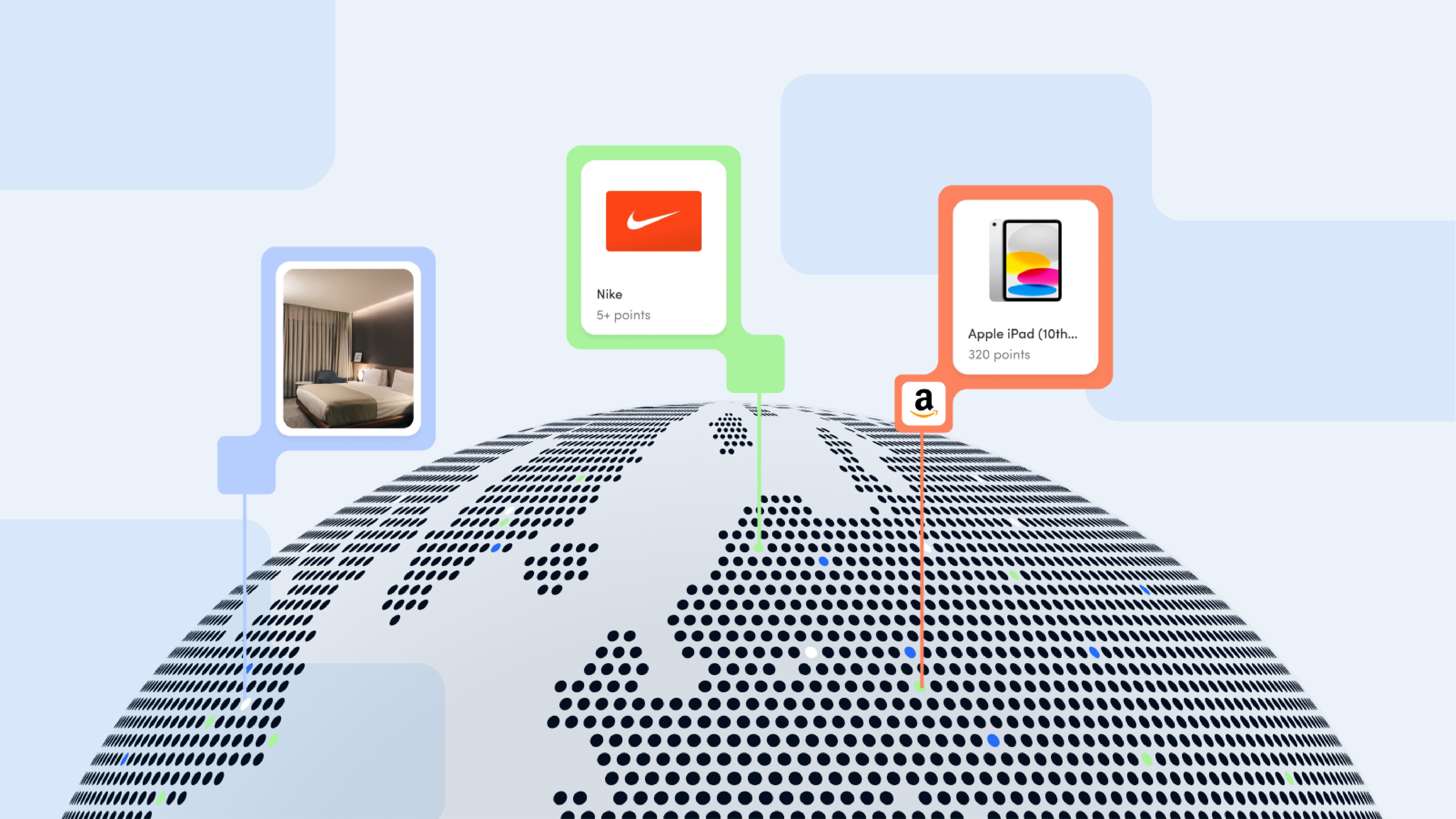
What motivates employees varies widely. Some teams prefer monetary or point-based rewards, while others value experiences or learning and development opportunities.
Leaders must respect cultural norms, diverse holidays, and personal preferences. Ask for feedback and offer reward options. This will help employees feel genuinely valued, included, and appreciated.
Discover global rewards and options.
Global recognition that resonates everywhere
Recognition isn’t one-size-fits-all—but shared values can guide how it’s expressed globally. HR leaders don’t need separate programs for every team or region; they need a global employee recognition platform that combines consistent principles with local/team flexibility.
With the right platform, global organizations can:
- Deliver recognition and rewards that respect cultural norms and team preferences
- Offer flexible visibility, delivery styles, and reward types for every employee
- Track adoption, engagement, and ROI across countries and departments
- Maintain centralized governance while empowering local relevance
See recognition in action across the globe:
- Schedule a demo
- Explore regional solutions in Canada and the UK.















.svg)

.svg)