


When organisations want stronger belonging, healthier hybrid engagement, and more human workplaces, they often turn to Adam Smiley Poswolsky, best-selling author and workplace belonging expert. His message has always been straightforward: the most resilient, innovative companies build cultures where people feel connected and seen.
Adam shared specifics in his hit keynote at RCGNZ Summit 2025—read the highlights below and watch the full recording here.
A simple definition that changes everything
Belonging is the sense that:
- You matter here
- Your voice is heard
- Your presence makes a difference
He shared a personal story from high school cross country to illustrate the point. Even as the slowest runner, he became team captain because he had a role that mattered: the team cheerleader. He’d pump the team up before races and help everyone feel like part of the team.
That is what belonging feels like at work, too.
Why this matters right now
He pointed to a few realities that make belonging harder and more necessary:
- More isolation, even in busy workplaces
- Hybrid routines that reduce spontaneous connection
- Constant digital distraction that leaves little room for real relationships
- Rapid change from AI and economic volatility
He also cited research and workplace data suggesting disengagement and loneliness are widespread, with major costs to productivity, retention, and well-being, showcasing how connection is a cultural necessity that drives performance.
The mindset shifts that create connection at scale
1. Replace comparison with care
Social feeds make it easy to assume everyone else has it figured out. He encouraged leaders to shift attention outward:
- Notice who is quiet, new, or overlooked
- Ask how someone is doing before asking for updates
- Celebrate effort and progress, not only outcomes
2. Design hybrid work around connection, not policy
Location rules alone do not create culture. The question that matters more is, “How are we helping people connect, wherever they work?”
Practical ways to do that:
- Start meetings with a short check-in
- Make space for people to pass if they do not want to share
- Build vulnerability gradually over time
- Model openness as a leader first
3. Make belonging everyone’s responsibility
Belonging cannot live only inside HR. Adam emphasised shared ownership across the organisation, supported by what high-performing teams tend to do well:
- Create psychological safety
- Invite questions and dissent
- Admit mistakes early
- Stay curious instead of defensive
A helpful relational habit he referenced: when tension shows up, turn towards it with a question, not away from it with avoidance.
4. Hire for culture transformation, not culture fit
Culture fit can quietly become code for keeping things the same, even when things need to change. A stronger approach:
- Look for people who expand perspective
- Reward constructive challenge
- Create space for new ideas to reshape how work gets done
5. Trade hustle signals for human signals
Modern work is optimised for speed, not connection. He shared examples of how distraction fragments focus and relationships. The antidote is intentional rhythm:
- Build breaks and renewal into the day
- Treat onboarding and training as community-building moments
- Measure success by whether someone formed a real connection, not only whether they finished the deck
Productivity and motivation naturally follow when human connection is happening at work.
Recognition that builds belonging
A recurring theme in Adam’s keynote was that recognition is less about programmes and more about attention.
What creates trust and belonging consistently:
- Remembering small personal details
- Following up when someone is out
- Acknowledging contributions in the moment
- Noticing effort that is easy to miss
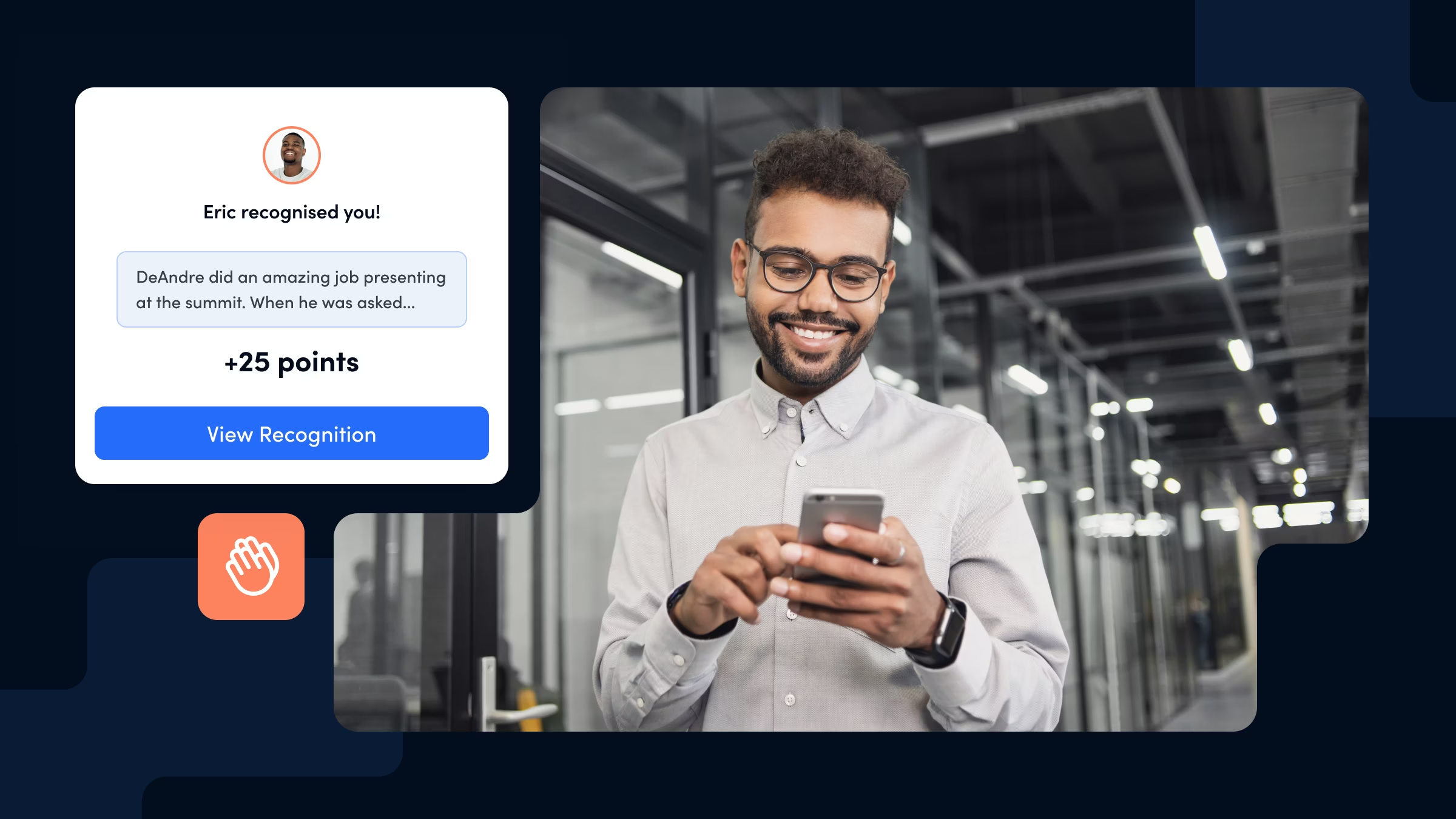
He shared examples from HR leaders doing this well, including using points for fun, time-bound experiences and empowering teams to choose how they celebrate.
A useful reminder: culture is built through micro-interactions repeated daily, not through one big initiative.
Simple habits you can start this week
None of these require new budget or executive approval. All they require is intention.
- Add a one-minute human check-in to recurring meetings
- Rotate meeting leadership to share ownership
- Run small-win moments, not just milestone celebrations
- Create a simple connect-with-me document so teammates know how you work best
- Try one new connection habit each week and keep what sticks
- Ask a better question in 1:1s: What would help you thrive here?
A story to remember
He concluded by reminding us that belonging grows when people feel safe enough to make bold requests. That is the benchmark for belonging at work.
If you want your recognition strategy to hit the mark, anchor it in human connection first. See how Awardco can help you with your recognition and culture goals by booking a demo, and watch Adam’s full presentation here.











.svg)
.svg)