

Which type of employee reward actually works? The best reward is rarely one category for everyone. It is a reward employees can choose, value, and use in the moment that matters, whether that means a local gift card, a memorable experience, a wellness benefit, public recognition, a service award, or a charitable contribution.
At Awardco, we know employees use rewards differently. That’s why we offer a global marketplace with 300M+ reward options. We believe a strong programme combines various reward types, lets employees choose where possible, and applies a consistent value framework across countries. The right mix depends on the behaviour or milestone being recognised, employee preferences, local availability, and the compliance requirements of each market.
In this guide, we’ll dig into these topics so you’ll walk away knowing the six main types of employee rewards, how to match reward type to employee preference and regional culture, what equitable value across geographies looks like, as well as the questions to ask when evaluating a reward programme.
The six main types of employee rewards
Recognition is the expression of appreciation; a reward is the tangible or experiential value attached to that appreciation. The two are most effective when designed together, but they are not interchangeable—so it’s important to know the difference.
In the chart below, you’ll get an overview of the taxonomy of employee rewards. And a bit further down, we’ll cover each type in more detail.
Taxonomy: reward categories, best-fit use cases, and guardrails
1. Monetary rewards: flexibility for practical value
Gift cards, prepaid cards, and cash-equivalent awards give employees flexibility to choose what matters most to them. But choice and liquidity aren’t the same. A broad rewards catalogue can provide meaningful choice without the payroll considerations that may come with cash-like awards, which can introduce additional tax or administrative requirements.
This type of reward works best for spot recognition, performance milestones, and moments when employee choice is the priority.

2. Experiential rewards: make recognition memorable
Experiential rewards can turn recognition into something employees can enjoy and remember. Think: travel, dining, local events, entertainment, classes, or family activities. This type of reward works especially well when you offer experiences across a range of price points. Consider accessibility, location, scheduling, and employees’ different interests when building your options.
Experiences aren’t inherently more meaningful than practical rewards. Some employees may value concert tickets or a cooking class, while others would prefer a gift card or merchandise they can use every day. The best choice depends on the employee and the moment.
3. Lifestyle spending accounts: support needs over time
A lifestyle spending account (LSA) is an employer-funded allowance employees can use for approved lifestyle expenses. Unlike a gift catalogue or one-time reward, an LSA typically provides ongoing funds based on rules the employer sets, including eligible categories, funding amounts, and documentation requirements.
Depending on the programme, employees might use their allowance for wellness expenses, professional learning, or home-office needs. Eligible expenses and tax treatment can vary by employer, programme design, and jurisdiction, so organisations should clearly communicate what’s covered and any requirements for using the funds.
4. Peer-to-peer recognition: make appreciation part of the workflow
Peer-to-peer recognition makes appreciation a regular part of work, allowing employees and managers to acknowledge contributions in the moment. Recognition can be public or private and doesn’t always need a reward attached. When it does, organisations can use manager or peer budgets, points, or other rewards, while value tags can connect recognition to the behaviours the company wants to reinforce.
Remember to keep recognition equitable (more on this a bit further down) and auditable. Track participation and reward distribution to identify whether certain teams or employees are being overlooked. Clear guidelines, inclusive recognition prompts, and regular reviews can help prevent programmes from disproportionately rewarding highly visible, office-based, or more vocal employees.
5. Service and milestone awards: recognise moments consistently
Milestone awards recognise meaningful moments throughout the employee journey, from tenure anniversaries and promotions to standout performance, project completion, and major life events. A consistent framework can help ensure employees are recognised equitably, while offering a choice of rewards allows each person to select something that feels relevant to them.
For global programmes, consistency also requires strong operations behind the scenes. Keep employee and service-date data accurate, account for local fulfilment needs, and establish clear rules around eligibility, award levels, and tax treatment across different locations.
6. Charitable giving: let recognition create shared impact
For employees who prefer impact over personal rewards, charitable giving can turn recognition into an opportunity to support a cause they care about. Organisations might make a donation on an employee’s behalf, let employees choose from eligible nonprofits, or offer paid volunteer time so they can contribute directly.
Build flexibility into the programme while setting clear guidelines around eligible organisations, donation amounts, and volunteer time. Legal and tax requirements for charitable contributions and paid volunteer programmes vary by jurisdiction, so organisations should confirm applicable rules in each location where they operate.
Matching reward type to employee preference and regional culture
As you’ve probably gathered, there’s no universal best reward for a particular region or workforce. Preferences can vary based on country, income, age, role, work setting, family context, language, local merchant availability, and cultural norms. Rather than relying on assumptions, organisations should use employee feedback and actual programme behaviour to determine what resonates.
Redemption data can reveal which options employees use, while surveys and other listening tools can uncover what’s missing. Before introducing a reward type broadly, consider piloting it with a smaller group and asking local HR teams to review the experience for cultural relevance, accessibility, and compliance.
A preference-matching framework
- Start with the moment: Determine whether you’re recognising everyday behaviour, a major milestone, sustained performance, wellbeing, or community impact.Offer meaningful choice: Combine practical, experiential, lifestyle, social, and charitable options where budget and compliance allow.Check access: Make sure frontline, deskless, remote, part-time, international, and employees with accessibility needs can participate.Localize the experience: Adapt language, currency, merchants, delivery methods, payment rails, and support channels to local needs.Learn from behaviour: Review redemption and recognition patterns by country and employee segment, but don’t assume past behaviour represents a fixed preference.Invite feedback: Ask employees what they value and use pilot programmes to validate new reward options before scaling.
When it comes to localising the experience, try testing different rewards in different regions. The below chart is a good place to start—but it’s by no means a comprehensive or definitive list.
Equitable value across geographies
For global teams, equal reward amounts don’t necessarily create equal value. A reward budget should consider what employees can actually access and purchase locally—not simply whether everyone receives the same nominal or converted currency amount.
Awardco’s Purchasing Power Parity (PPP) approach helps address this by adjusting the purchasing power of points at redemption based on country-level ratios. Employees still see the full number of points they earned, while redemption values are adjusted in the background to better account for differences in local purchasing power.
For HR teams, the goal should be broader than mathematical equality. Review whether employees across markets have meaningful local redemption options, comparable access, and a clear experience—and communicate how rewards work so employees understand the value available to them.
Questions HR teams should ask
Asking the right questions will help you decide what to include in your programme. Here’s a checklist to get you started:
Programme purpose
- What behaviour, milestone, or employee need are we trying to support?Is this recognition, reward, incentive, benefit, or a combination?Should the reward be immediate, recurring, milestone-based, or discretionary?
Employee choice and access
- Which reward paths are meaningful to our employees? Can employees choose between practical, experiential, lifestyle, social, and charitable options? Can frontline, deskless, remote, part-time, and international employees participate equally? Are options accessible in the employee’s language, currency, location, and preferred delivery method?
Global equity
- How will we define equivalent value across countries? Does the reward model account for local purchasing power and catalogue availability? Can we compare participation and redemption without penalising markets with fewer merchant options? How will we monitor gaps in access or redemption by region, role, or employment type?
Compliance and administration
- What are the tax, payroll, benefits, gift-card, donation, and reporting implications in each country? Do we need local HR, payroll, legal, works council, or employee-representative review? How are eligibility, expiration, refunds, unused balances, and changes in employment status handled? What employee data is collected, and how is it protected?
Measurement and optimisation
- Which metrics will tell us whether the mix is working: participation, redemption, repeat use, time to recognition, coverage, employee feedback, or business outcomes? How will we distinguish low interest from low access or poor localisation? How often will we refresh merchants, experiences, categories, and donation options? What feedback loop will allow employees and local HR teams to influence the mix?
Ready to offer rewards aligned with their mission, values, and people? Check out Awardco’s Employee Rewards Catalogues.
Frequently asked questions about employee rewards
Which type of global reward works best?
No single reward type works best in every country. A strong global programme combines employee choice with localised gift cards or merchant options, experiences, lifestyle categories, recognition, milestone awards, and charitable paths where appropriate. The right mix depends on the recognition moment, local availability, employee feedback, compliance requirements, and whether the programme delivers comparable usable value across markets.
What rewards do employees actually want?
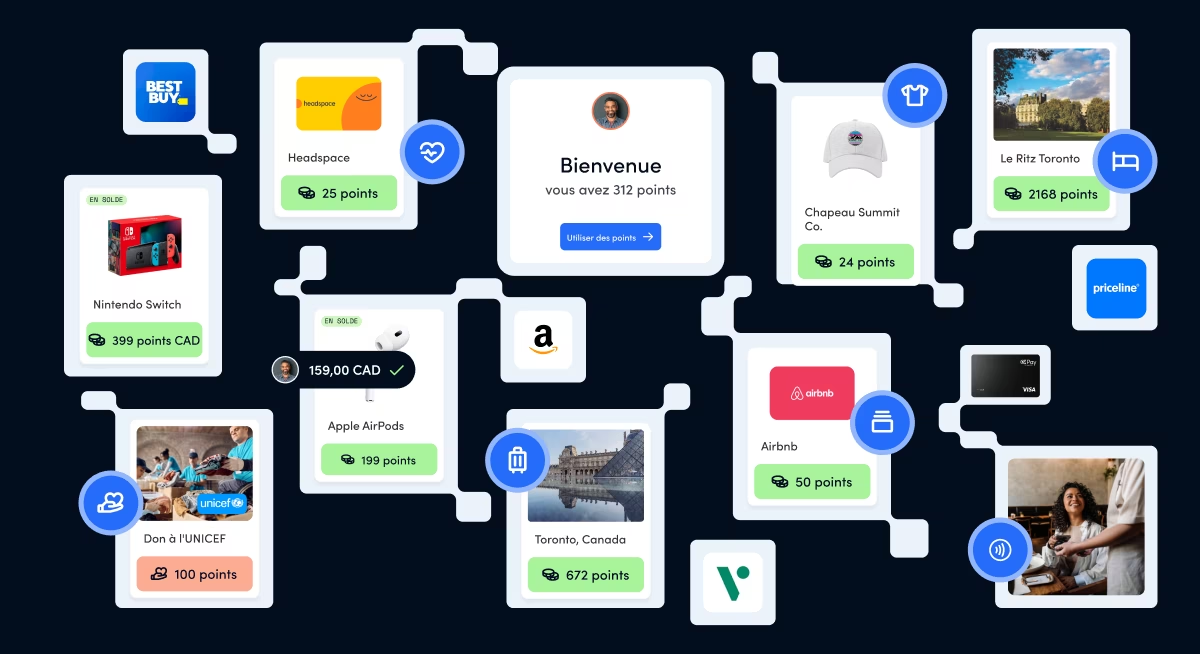
Employees want rewards that are relevant, easy to use, and aligned with their circumstances. Some prefer practical gift cards or cash-like options; others value experiences, wellness, learning, public recognition, milestone awards, or charitable giving. Choice, local availability, accessibility, and a simple redemption experience are often more reliable design principles than assuming one reward motivates everyone.
How do lifestyle spending accounts work in a rewards programme?
A lifestyle spending account gives employees an employer-funded allowance for approved categories such as wellness, learning, home-office support, or family-related needs. The employer defines eligibility, funding, documentation, and expiration rules; employees then use the allowance through the programme’s approved process. Tax, payroll, privacy, and reimbursement requirements vary by location, so the programme should be reviewed locally before launch.
What is the difference between recognition and rewards?
Recognition is the act of acknowledging an employee’s contribution or behaviour. A reward is the tangible, experiential, financial, lifestyle, or charitable value that may accompany that recognition. Recognition can stand alone, while a reward adds choice or utility; the strongest programmes connect both to clear behaviours, moments, and values.