
Read the white paper
Soumission réussie!

Value-driven recognition: Build a positive and sustainable workplace culture
The measurable impact of employee recognition has been evident for years:
- Employees who are well recognized are 45% less likely to leave their roles after two years.
- Strategic recognition can boost engagement by 2.9x.
- Employee recognition can drive over $90 million in productivity gains
- When recognition is effective, employees are 5x more likely to feel connected to their company culture and to see opportunities for growth within the organization.
The benefits of recognition are undeniable. But understanding why these results occur—and how to design programs that achieve them—remains a challenge for many organizations.
In this paper, we explore value-driven recognition, examining the cycle that links organizational values to recognition programs and how this approach fosters a self-sustaining, positive workplace culture.
This cycle is broken down into three parts:
- Demonstrate
- Recognize
- Reward
Demonstrate: Connecting values to recognition
Value-driven recognition only works when employees understand and see your values in action. To make recognition meaningful and aligned with your culture, start by defining, communicating, and exemplifying your organizational values.
Clarify organizational values
For your employees to demonstrate values through their work, they need to know what they are. Organizations should have purposeful, thoughtful values that they communicate frequently.
- Define: Be aspirational, realistic, and specific. Too many organizations have values such as “Good Judgment,” but never define what that means in the company's context. Ensure your values help your organization inspire ambition, drive realistic expectations, and articulate them with specificity so employees can understand them clearly.
- Communicate: If your values are simply words on a wall, they won’t get you very far. You need to communicate them in as many ways as possible, including through your behaviors, so they are top of mind for your employees.
- Exemplify: There is perhaps no more potent learning experience than seeing leaders regularly exemplify your values. If one of your values is “A Healthy Work-Life Balance,” but your leaders never take time off, you might be sending a completely different message than you intend. Make sure leaders embody your values so employees see those values in action.

Make recognition meaningful for everyone
Once you’ve defined and communicated your company values, the next step is making sure employees see how their efforts connect to those values. That’s where specific recognition programs come in.
A single, catch-all program often falls short because not everyone’s contributions are equally visible—and not everyone works in front of a computer or in roles that naturally attract attention.
By creating recognition programs designed for different types of work and circumstances, you ensure every employee has the chance to be seen, appreciated, and aligned with your company’s values.
Recognize: Building a program that works
Only one in three workers “strongly agree” they received praise for good work within the last week. HR leaders can combat this by bridging the gap between values and programs. The more thought and intention that goes into this process, the more you can build a sustaining recognition program that drives lucrative results.
Establish the right framework
As mentioned above, multiple, varied recognition programs are necessary to ensure everyone has an equal chance of being recognized. Here are a few examples of programs you can use in your organization to lay the right foundation:
- Spot recognition: When an employee demonstrates company values in their daily work, they deserve a timely, appropriate pat on the back. This is the foundation for driving all desired behavior at your organization.
- Manager spotlight: As you strive to tie recognition to company values, it’s critical to allow managers to lead by example and be recognized for it. Highlighting managers who model desired behaviors reinforces the values and inspires their teams to follow suit.
- Milestone recognition: Onboarding programs, work anniversary programs, and retirement celebrations show team members that their dedication is valued, and are great opportunities to highlight company values exemplified long-term.
- Life events: Celebrating events outside of work is an important way to encourage work-life balance. Bring the work family into the celebrations that matter most, such as birthdays, new babies, or any other event.
- Remote work: Boost remote work productivity by spotlighting values in your remote workforce. At the same time, build a cohesive culture. Remote employees will feel part of a greater whole.
Know your people
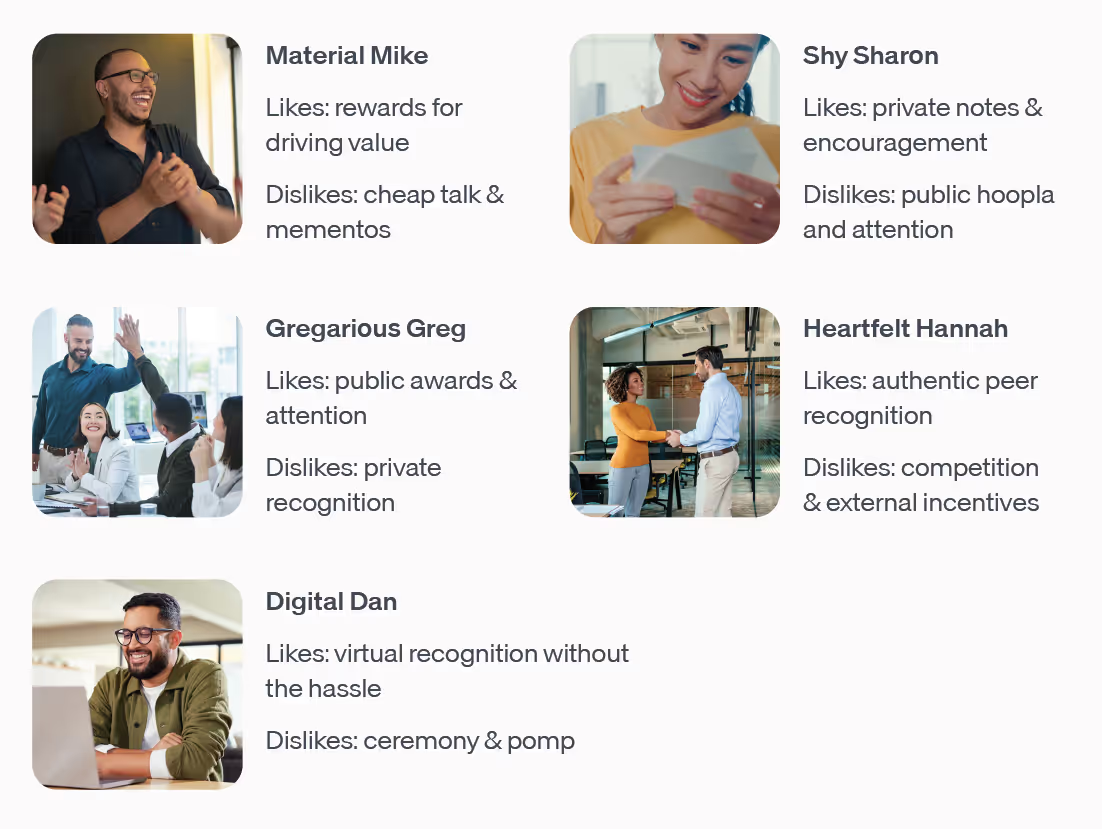
Understand your employees’ preferences, personalities, and work styles. Some thrive on public acknowledgment, while others prefer private praise or a thoughtful note. This knowledge gives you the opportunity to offer customized recognition options that your employees will appreciate.
This approach bridges the gap between perceived value and actual value, helping employees see how their contributions truly impact the organization while feeling that the organization truly understands them and appreciates them.
Choose the right method
There isn’t a single “right” way to recognize someone. The key is matching the method to the individual and situation.
For example:
- Public recognition: Ideal for employees who enjoy visibility and affirmation among peers
- Private recognition: Better for those who prefer personal interactions and quiet appreciation
- Personal recognition: Best suited for those who prefer a personal touch, such as a signed card
- Peer-to-peer recognition: Encourages collaboration and highlights everyday contributions
- Top-down recognition: Comes from managers or senior staff to their direct reports or team members
- Bottom-up recognition: From someone showing appreciation for effective leadership and guidance
Make it timely and specific
Recognition is most powerful when delivered promptly and tied to specific actions. Instead of generic praise (“great job!”), focus on the behavior that exemplifies your values (“Your initiative in streamlining the onboarding process reflects our commitment to collaboration and efficiency”).
You’re creating a clear connection between individual contributions and the broader culture you want to nurture.
Reward: Reinforcing value through meaningful incentives
Now that your values are defined and recognized, it’s time to ensure employees feel that their contributions are tangibly valued.
Design rewards with purpose
Effective rewards align with both the behavior being recognized and the preferences of the employee. Things to consider:
- Relevance: Does the reward reflect the achievement or behavior? Rewards that match the level of effort and impact communicate that the organization truly values contributions.
- Personalization: Tailor rewards to the individual’s interests or needs. A gift card, an extra day off, or professional development opportunities can all be meaningful when chosen with the recipient in mind.
- Timeliness: Deliver rewards promptly after the achievement. Immediate reinforcement strengthens the connection between action and recognition.

Reflect on the reward type
Choosing the right reward type ensures your recognition resonates with employees. Different rewards motivate in different ways:
- Experiential rewards: Opportunities for learning, development, or unique experiences
- Monetary rewards: Bonuses, spot awards, or salary increases that recognize exceptional performance
- Non-monetary rewards: Time off, flexible work arrangements, or symbolic tokens of appreciation
Strive for consistency and fairnessReward programs are most effective when applied consistently and transparently. Establish clear criteria for earning rewards so employees understand how contributions translate into recognition.
By thoughtfully structuring rewards, organizations not only reinforce the behaviors they value but also build a culture where employees feel genuinely appreciated and motivated to excel.
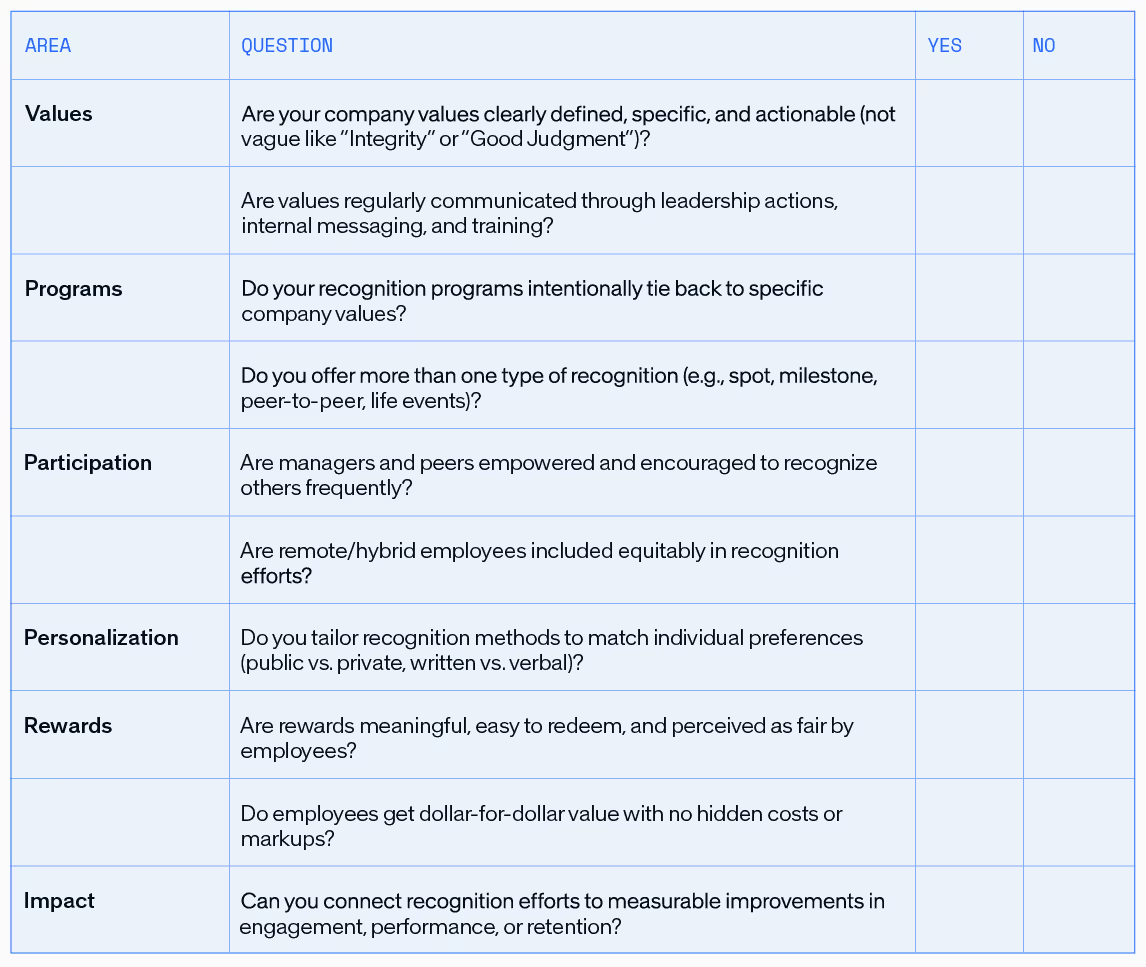
A Quick self-assessment for HR and culture leaders
Use this quick checklist to evaluate how well your current recognition efforts align with and reinforce your company values. Even a few small improvements can have a lasting impact.
Build value-driven recognition programs that work
Value-driven recognition is your organization’s engine of engagement. As you define your values, communicate them to your workforce, give opportunities for those values to be demonstrated by employees, recognize your employees for embodying those values, and then reward your workforce in the right ways, you’ll see values become behavior, and behavior become the culture of your company.

