



Choisir le bon logiciel de reconnaissance et de récompenses pour les employés peut être un processus complexe.
La plupart des plateformes promettent les mêmes résultats : un meilleur engagement, une culture plus forte et une rétention améliorée.
Mais en y regardant de plus près, les différences deviennent importantes : modèles de tarification opaques, options de récompenses limitées, rapports peu détaillés et outils que les employés ne voudront tout simplement pas utiliser.
Pour les équipes RH, la décision repose souvent sur des aspects pratiques. La meilleure plateforme doit :
- Réduire le travail administratif
- Regrouper les outils disparates
- Soutenir l'adoption par les gestionnaires
- Rendre la reconnaissance assez simple pour que les employés l'utilisent sans courbe d'apprentissage
C'est là que ce guide intervient.
Nous avons comparé les meilleures plateformes logicielles de reconnaissance et de récompenses pour 2026 afin de vous aider à évaluer vos options avec clarté. L'objectif est d'offrir une analyse pratique de ce que chaque plateforme réussit, de ses lacunes et des organisations auxquelles elle convient le mieux.
Vous y trouverez :
- Une liste classée des 7 meilleures plateformes
- Des conseils sur la façon de choisir la bonne solution
- Une série de questions fréquentes répondant à vos interrogations principales
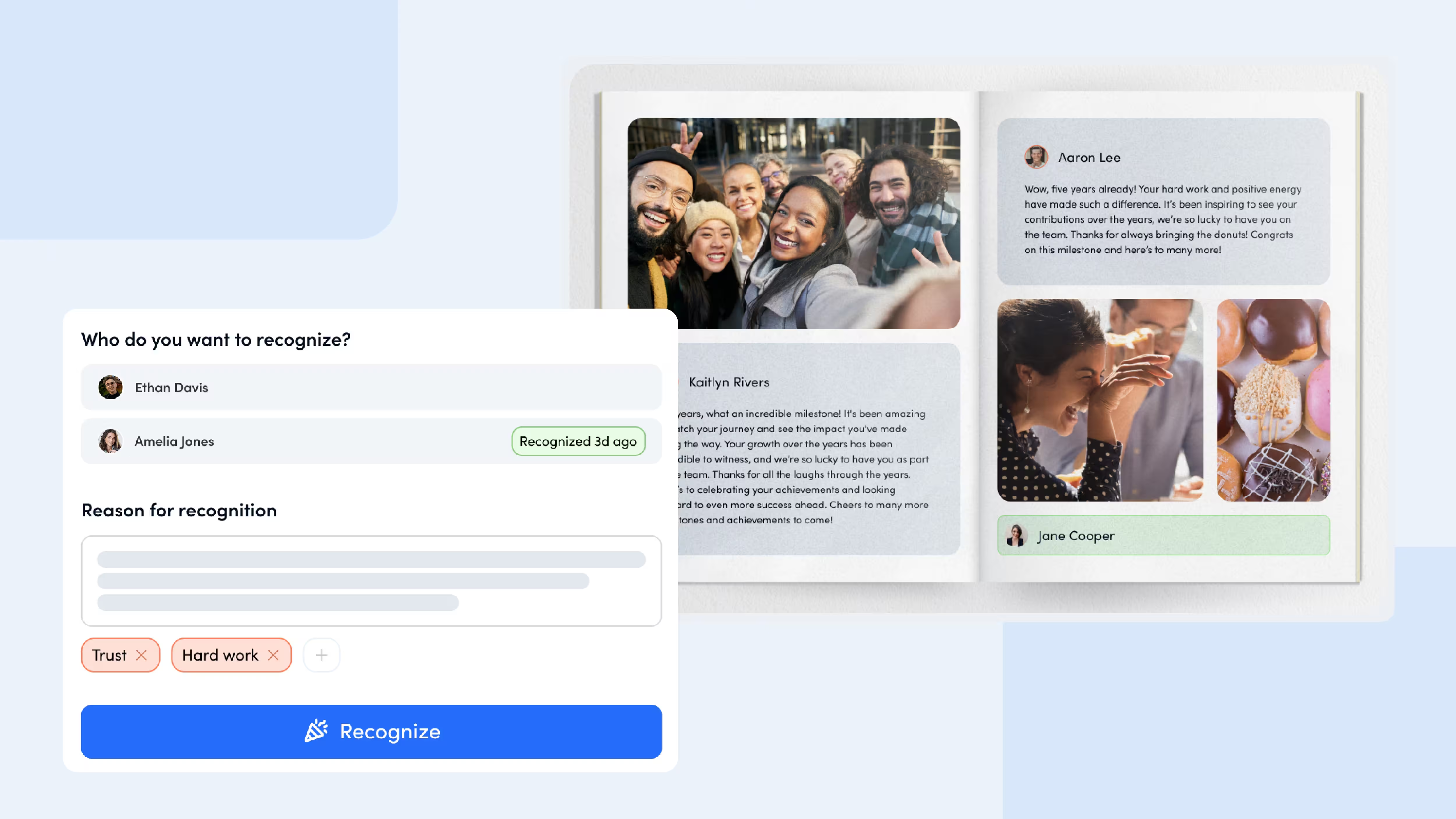
Un premier constat : Awardco se classe au 1er rang pour 2026 grâce à sa combinaison inégalée de flexibilité des récompenses, de transparence tarifaire, d'évolutivité et d'étendue de la plateforme. Tout cela est réuni dans un système conçu pour simplifier l'administration, consolider les outils RH et faciliter l'adoption de la reconnaissance par les employés et les gestionnaires.

Les 7 meilleurs logiciels de reconnaissance et de récompenses pour les employés en 2026
Ces plateformes représentent les options les plus solides sur le marché, mais elles varient considérablement en termes de flexibilité, de tarification et de valeur à long terme.
Pour plus d'informations sur les évaluations de logiciels, consultez notre guide comparatif.
1. Awardco
Pourquoi cette plateforme figure sur la liste :
Prend en charge tout, de la reconnaissance entre pairs et des prix de service aux mesures incitatives, aux programmes de mieux-être et aux récompenses mondiales, le tout au sein d'une plateforme configurable
Idéal pour :
Les organisations qui souhaitent un logiciel de reconnaissance évolutif et personnalisable pour des équipes allant de 50 à plus de 100 000 personnes à l'échelle mondiale
Fonctionnalités clés
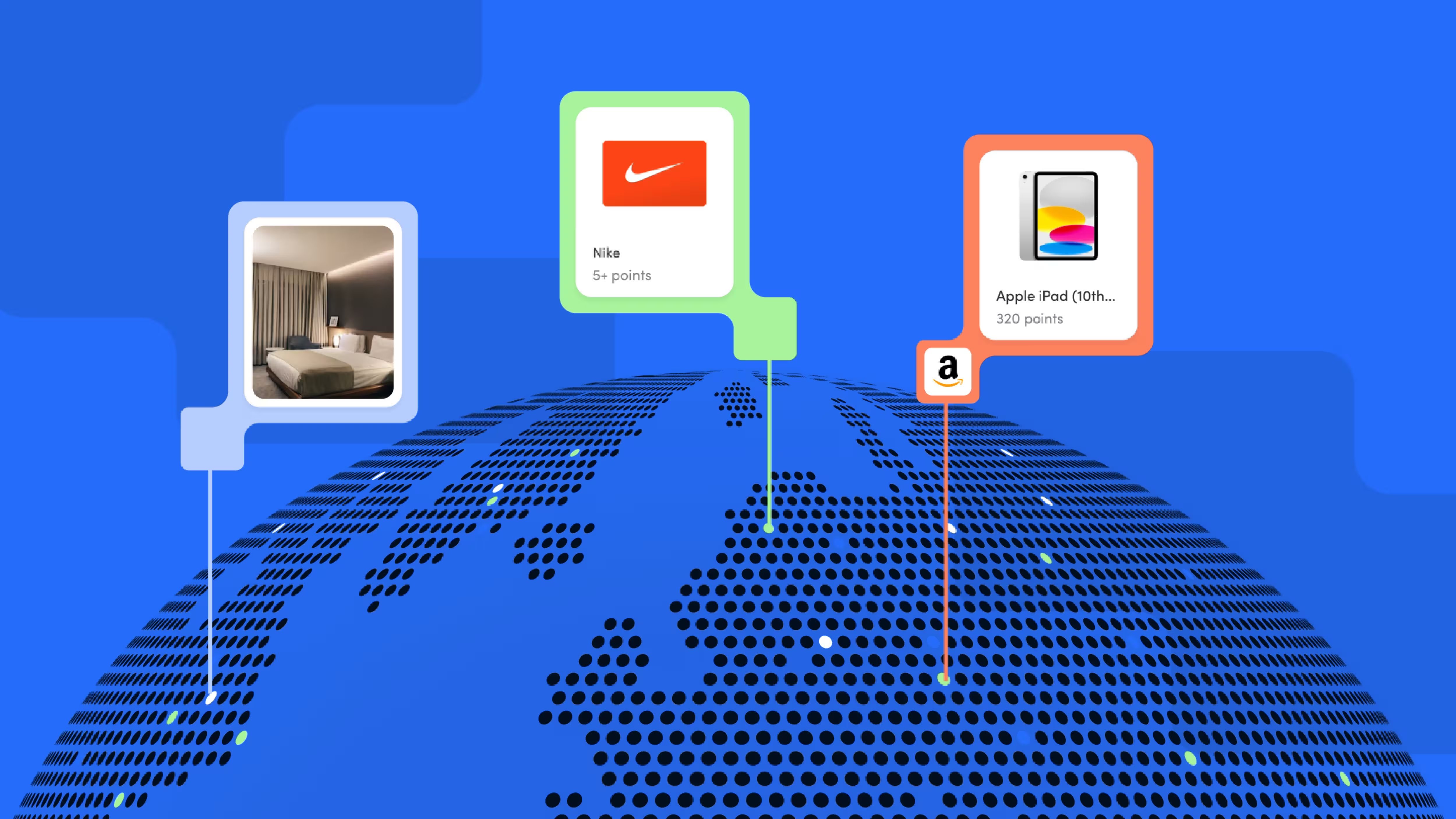
- Le plus vaste réseau de récompenses
- Des fonctionnalités de plateforme flexibles qui s'adaptent aux besoins de l'entreprise (et non l'inverse)
- Regroupement de la reconnaissance, des récompenses, des mesures incitatives, des célébrations, des sondages et des outils d'engagement sur une seule plateforme
- Tarification basée sur le nombre d'employés
Avantages
- Configuration de plateforme hautement flexible permettant le développement de programmes personnalisés
- Vaste choix de récompenses pour les équipes locales et internationales
- Analyses poussées et visibilité accrue sur les programmes
- Évolutivité facile entre les services et les sites
Inconvénients
- Peut offrir plus de fonctionnalités que ce dont les petites équipes ont besoin
- L'ensemble de fonctionnalités plus large peut sembler complexe pour les équipes recherchant uniquement une reconnaissance de base
Pourquoi Awardco se démarque :
Elle combine flexibilité mondiale des récompenses, conception de programmes configurables, clarté de la tarification et rapports à l'échelle de l'entreprise pour soutenir les organisations en pleine croissance comme les plus complexes. Pour les équipes RH, le plus grand avantage est peut-être la consolidation : Awardco permet de réunir la reconnaissance, les récompenses, les mesures incitatives, les célébrations, les sondages et l'engagement au sein d'une plateforme unique et plus facile à gérer, plutôt que d'obliger les équipes à jongler avec plusieurs outils déconnectés.
Apprenez-en davantage sur les raisons pour lesquelles les entreprises choisissent Awardco.
2. Workhuman
Pourquoi cette plateforme figure sur la liste :
Un vétéran du domaine de la reconnaissance, reconnu pour ses innovations précoces en matière de reconnaissance sociale et son leadership éclairé
Idéal pour :
Les petites entreprises ayant des restrictions budgétaires
Avantages :
- Marché de récompenses sélectionnées
- Leadership éclairé renommé
Inconvénients :
- Les options de récompenses peuvent sembler limitées pour les équipes internationales ou en croissance rapide
- Plateforme structurée et traditionnelle qui peut manquer de flexibilité pour des effectifs diversifiés
L'avantage d'Awardco :
La personnalisation conviviale pour les administrateurs permet aux équipes d'adapter plusieurs flux de travail de reconnaissance. Le Centre d'excellence et les équipes de compte dédiées sont particulièrement appréciés par les entreprises qui déploient des programmes mondiaux à plusieurs niveaux.
3. Bonusly
Pourquoi cette plateforme figure sur la liste :
Une plateforme de reconnaissance entre pairs simple, principalement axée sur un système de points
Idéal pour :
Les petites et moyennes équipes (moins de 250 employés au total)
Fonctionnalités clés :
- Reconnaissance entre pairs
- Récompenses basées sur des points
Avantages :
- Adoption facile
- Interface intuitive
Inconvénients :
- Réseau de récompenses restreint
- Approche monétaire simple de la reconnaissance qui manque de personnalisation
L'avantage d'Awardco :
Il offre le plus vaste réseau de récompenses au monde, capable de soutenir des équipes de 50 à plus de 100 000 personnes à l'échelle mondiale, tout en offrant un plus grand choix aux employés
4. Nectar
Pourquoi cette plateforme figure sur la liste :
Équilibre la reconnaissance avec des outils de communication, en plus d'offrir un vaste catalogue de récompenses
Idéal pour :
Les petites et moyennes entreprises
Avantages :
- Fonctionnalités d'engagement (p. ex., communications internes et sondages)
- Facile à mettre en œuvre
Inconvénients :
- Catalogue de récompenses plus limité
- Approche universelle
- Peu de solutions de contournement pour des besoins plus complexes
L'avantage d'Awardco :
Awardco répond à des besoins plus complexes (p. ex., programmes configurables, gestion des utilisateurs, réseaux de récompenses, flux de travail, budgétisation, fiscalité et rapports) que les équipes en pleine croissance peuvent exiger avec le temps. Awardco agit également comme un complément ciblé à un SIRH : il ne cherche pas à remplacer les systèmes RH de base, mais aide à dynamiser la reconnaissance, les récompenses, la rétroaction et l'engagement.
5. Achievers
Pourquoi cette plateforme figure sur la liste :
Offre des modèles de programmes structurés, un marché de récompenses sélectionnées et des outils (fils d'actualité sociale, badges et sondages) pour encourager la rétroaction positive dans toute l'organisation
Idéal pour :
Les grandes organisations complexes
Avantages :
- Marché de récompenses sélectionnées
- Conception de plateforme axée sur l'engagement pour favoriser la participation
Inconvénients :
- Personnalisation limitée pour les programmes complexes et évolutifs
- Tarification sur devis pouvant nécessiter une planification accrue
- Accent mis sur des options de récompenses localisées (plutôt qu'un réseau mondial)
L'avantage d'Awardco :
Une tarification claire (basée sur le nombre d'employés), un réseau mondial de récompenses et des programmes de reconnaissance polyvalents
6. Motivosity
Pourquoi cette plateforme figure sur la liste :
Une expérience de type fil d'actualité sociale qui rend la reconnaissance entre pairs plus visible et fréquente au sein des petites équipes
Idéal pour :
Les petites entreprises
Fonctionnalités clés :
- Reconnaissance entre pairs
- Kudos monétaires
Avantages :
- Adoption facile
- Programmes monétaires et non monétaires (ces derniers étant récents)
- Les cartes Visa Thanksmatters offrent une grande flexibilité
Inconvénients :
- Rapports limités
- Non idéal pour les entreprises ou l'échelle mondiale
- Capacités de rapport limitées pour l'analyse du comportement des utilisateurs et du retour sur investissement
L'avantage d'Awardco :
L'accent est mis sur les facteurs de motivation intrinsèques grâce à des fonctionnalités de plateforme avancées, ce qui aide à piloter des programmes de reconnaissance plus personnalisés. La flexibilité d'Awardco permet également aux équipes RH de regrouper plus facilement leurs programmes sur une seule plateforme, plutôt que de dépendre d'un outil de reconnaissance entre pairs qui pourrait nécessiter des compléments par la suite.
7. OC Tanner Culture Cloud
Pourquoi cette plateforme figure sur la liste :
Une riche expérience dans le domaine de la reconnaissance, alliant la reconnaissance traditionnelle des jalons de carrière et un fil d'actualité sociale
Idéal pour :
Les grandes entreprises qui accordent de l'importance à la personnalisation d'articles de luxe
Avantages :
- Catalogue mondial de produits et d'expériences
- Expertise en iconographie personnalisée et en articles promotionnels de marque pour les employés
- Plateforme intégrée « Culture Cloud » combinant reconnaissance, célébrations, récompenses personnalisées et initiatives
Inconvénients :
- L'écosystème est moins configurable et repose davantage sur une infrastructure propriétaire
- Système de points complexe
- Personnalisation limitée au niveau du programme
L'avantage d'Awardco :
Un contrôle total sur la configuration du programme et la capacité de lancer divers programmes qui répondent aux besoins en matière d'engagement
Comment choisir le bon logiciel de reconnaissance des employés
Faire le bon choix implique de définir ce que la valeur à long terme représente pour votre entreprise. Cela garantit que votre équipe mettra en place le meilleur programme de reconnaissance des employés, capable d'évoluer avec votre organisation au fil du temps.
1. Commencez par vos objectifs de reconnaissance
Avant d'évaluer un logiciel, définissez ce qu'est la réussite pour vous. Voici quelques exemples :
- Renforcement de la culture
- Rétention
- Mesures incitatives
- Célébrations
- Alignement sur la performance
Mettez-vous d'accord avec les parties prenantes sur la façon dont votre organisation définit la valeur et la réussite. Ces discussions peuvent aider à prioriser les indicateurs de performance (KPI) et les objectifs à long terme que votre programme de reconnaissance devrait favoriser.
2. Évaluez la qualité des récompenses
Avoir de nombreuses options est une bonne chose, mais ces options reflètent-elles réellement les intérêts et la personnalité de vos employés ? Nous vous encourageons à privilégier la qualité à la quantité.
La pertinence fait une différence mesurable. Utilisez l'outil de sondage d'Awardco pour découvrir ce que vos employés recherchent en matière de récompenses et les catalogues de récompenses personnalisés pour concrétiser ces idées.
3. Pensez à l'adoption et à la convivialité
Même la meilleure plateforme de reconnaissance des employés ne sera pas efficace si personne ne l'utilise. Privilégiez un logiciel simple et intuitif.
Avant de prendre une décision, demandez à des employés de différents services de tester une démonstration et de partager leurs commentaires honnêtes afin de déterminer si la plateforme convient à votre organisation.
4. Considérez la charge de travail RH que la plateforme permet d'éliminer
Recognition can create an administrative burden, but the best platform simplifies program management, consolidates tools, and reduces manual effort. Plus, the easier it is for employees to use, the more likely the program will engage them.
5. Plan for scale
Choose a platform that can grow with your organization, especially if you’re expanding globally. You’ll want a platform that lets you control program configuration. This enables admins to create and update recognition programs as organizational initiatives and culture shift.
Foire aux questions
What is the best employee recognition software for global teams?
Platforms with strong global fulfillment and diverse reward options, like Awardco, are often the best fit for international teams. Awardco was built to scale with growing organizations, offering flexible capabilities that adapt to evolving business needs.
Which platform is best for enterprise companies?
Awardco, Achievers, and OC Tanner Culture Cloud are common enterprise choices, depending on priorities.
What’s best for small or mid-sized businesses?
Awardco, Bonusly, Workhuman, and Motivosity are popular among SMBs.
How much does employee recognition software cost?
Pricing varies widely, from per-user subscriptions to custom enterprise pricing. Hidden reward markups can significantly impact total cost. Check out Awardco’s flexible plans.
What features matter most?
It depends on your organization’s engagement goals. Popular features, such as rewards flexibility, reporting, and integrations, tend to drive long-term success.
How do I justify employee recognition software to leadership?
Connect recognition software to business outcomes leadership already cares about: employee adoption, admin time saved, budget control, retention, engagement, and program visibility. The strongest platforms make it easier to track how recognition is being used, where budgets are going, and whether employees are actually participating.
Awardco supports this by giving teams more visibility into program performance while also helping control reward spend through flexible budgeting and transparent pricing.
Create impactful experiences at scale
The best software is designed to support long-term organizational growth, creating results that don’t just happen once but compound over time.
Awardco delivers this in a single, flexible platform. Start building lasting engagement with a demo.










.svg)






.svg)


